Picture this: You are in the middle of a hot, humid Space Coast summer afternoon. You have the central AC running full blast, the air fryer going in the kitchen, and you just plugged in a vacuum. Suddenly, click. Half the house goes dark, and the cool air cuts off.
You walk out to the garage, flip the breaker back on, and head inside. Ten minutes later, it clicks off again.
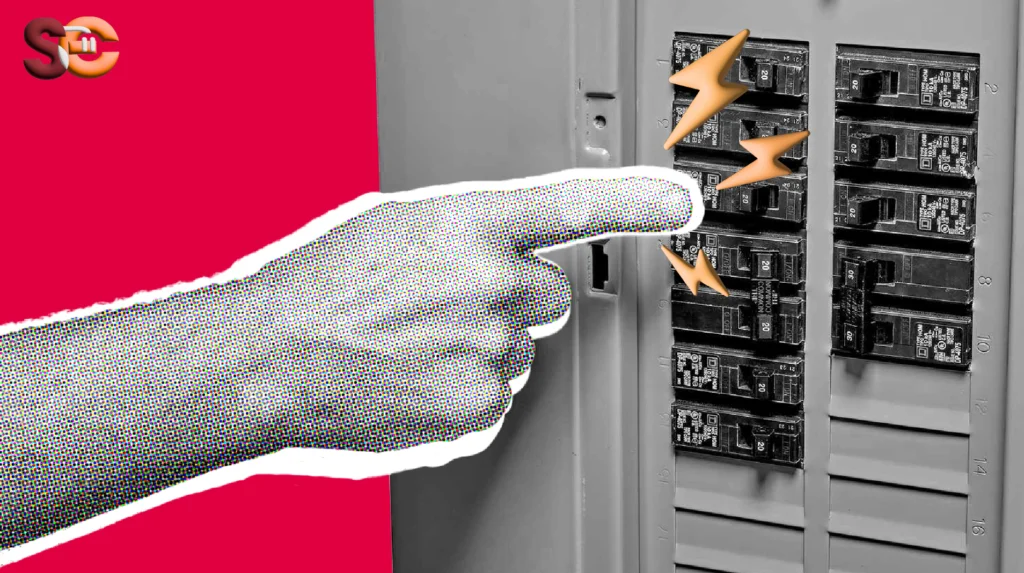
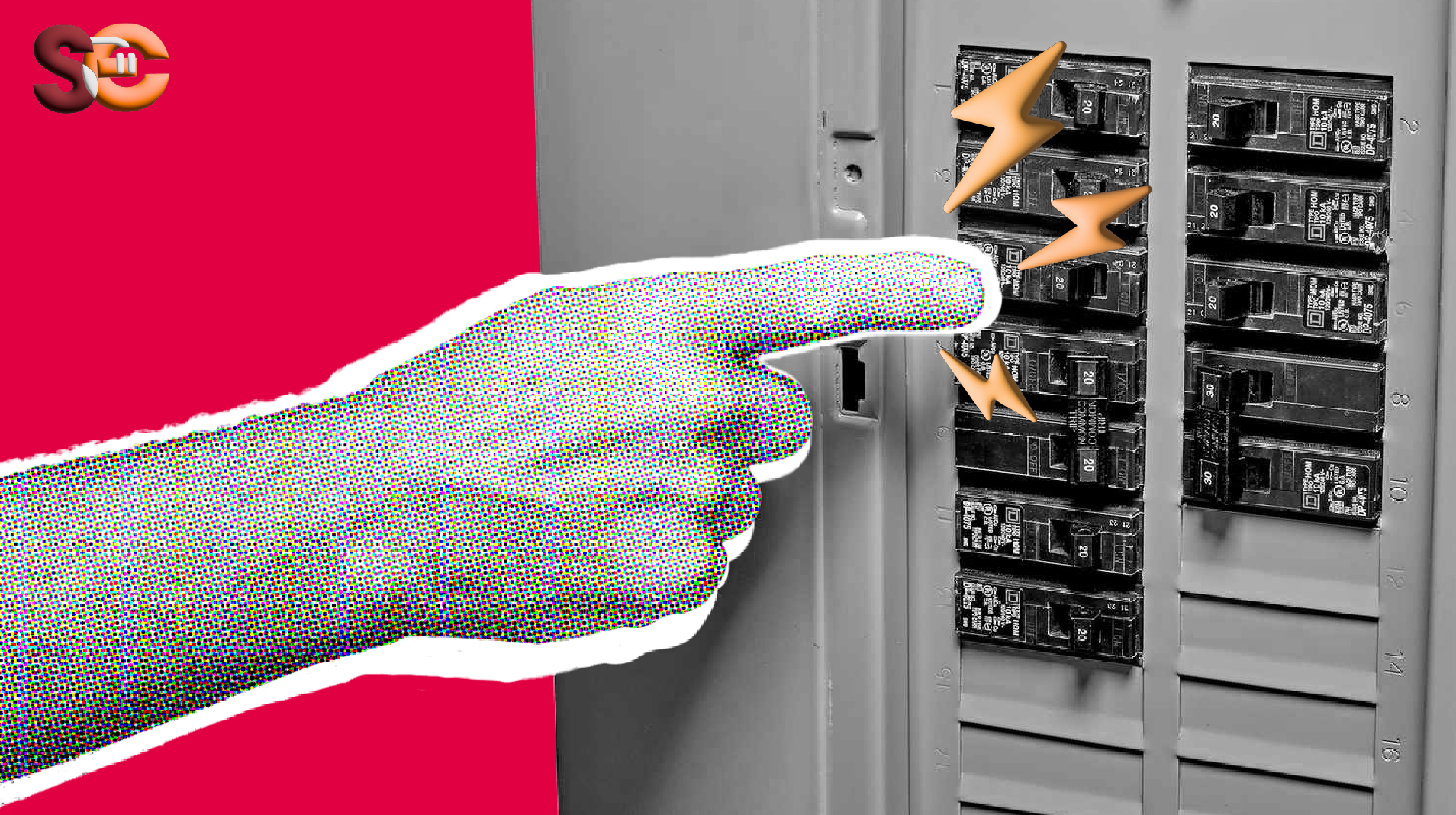
A tripping breaker can be an annoying nuisance, but it is actually doing its job. Think of your breaker panel as your home’s safety net. When a circuit draws more electricity than it is built to safely handle, the breaker trips to prevent electrical fires and keep your wiring from melting.
If your breaker resets easily and stays on, it might have just been a one-off overload. But when a breaker keeps tripping repeatedly, your electrical system is trying to tell you something. Here are five of the most common reasons your circuit breaker keeps tripping and how to know when it is time to call in a professional.
1. Circuit Overload (The Most Common Culprit)
A circuit overload happens when you try to draw more power through a circuit than the wires and breaker are rated to handle.
In older Melbourne homes—especially in established neighborhoods like Eau Gallie or Melbourne Highlands—electrical systems were designed long before we had modern home theater setups, EV chargers, and high-wattage kitchen devices. If your kitchen appliances, television, and portable space heater are all running on a single 15-amp circuit, the breaker will blow to keep those wires from overheating.
- How to spot it: Did the breaker trip right after you plugged in a hairdryer, toaster, or microwave? If so, you are likely dealing with a simple overload.
- What you can do: Unplug a few heavy-drawing devices on that circuit. Move high-wattage electronics to a different circuit. Reset the breaker firmly to the OFF position first, then back to ON.
Note: If relieving the load solves the issue, you were just overloading the line. However, if you constantly have to juggle which appliances are plugged in just to keep the lights on, you likely need a dedicated circuit installed or a panel upgrade.
2. Standard Short Circuits
A short circuit is a bit more dangerous than an overload. It occurs when a hot wire comes into direct contact with a neutral wire in your electrical system. This causes a massive, sudden surge of electrical current to flow through the circuit, creating intense heat and tripping the breaker instantly.
Short circuits are often caused by loose wire connections inside an outlet, damaged wire insulation (sometimes from pests or age), or internal failures inside a plugged-in appliance.
- How to spot it: When a short circuit happens, resetting the breaker usually results in an immediate trip the second you flip the switch. You might also notice a popping sound, visible spark marks around an outlet, or a faint metallic or burning smell.
- What you can do: Unplug every appliance on that circuit. Try resetting the breaker. If it stays on, plug your devices back in one by one. If plugging in a specific lamp or appliance instantly trips the breaker, the device itself has an internal short. If the breaker trips immediately even with nothing plugged in, the short is inside your wall or electrical box. Turn the breaker off and do not attempt to turn it back on.
3. Ground Faults
A ground fault is a specific type of short circuit. It occurs when the hot wire touches the grounding wire, a bare copper wire, or a grounded metal box.
Because electricity always seeks the shortest path to the ground, this creates a sudden surge of power. Ground faults are especially common in areas where water or moisture is present, like kitchens, bathrooms, outdoor patios, garages, and laundry rooms. Here in coastal Brevard County, high ambient humidity and salt air can accelerate corrosion on outdoor outlets and fixtures, leading to ground fault issues.
- How to spot it: You will typically see ground faults trigger GFCI (Ground Fault Circuit Interrupter) outlets—the ones with the small TEST and RESET buttons—or specialized GFCI breakers in your main electrical panel.
- What you can do: Check if a nearby GFCI outlet has popped out. Push the reset button on the outlet first. If the outlet will not reset or trips the main breaker instantly, moisture or a wiring failure could be feeding live current where it should not be going.
4. Arc Faults
Arc faults happen when electrical current strays or arcs across a gap between damaged or loose conductors. Think of it like a miniature lightning strike happening inside your wall switches, outlets, or power cords.
Arcing generates extreme, concentrated heat and is one of the leading causes of residential electrical fires in the U.S. Modern home codes require Arc Fault Circuit Interrupter (AFCI) breakers, which are specially designed to detect these subtle sparking patterns before a fire can start.
- How to spot it: Arc faults are frequently caused by damaged power cords (like a cord crushed under heavy furniture), loose wall outlets where plugs feel wobbly, or nails accidentally driven through hidden wiring while hanging pictures.
- What you can do: Inspect the power cords of everything on that circuit for fraying, bending, or damage. Replace any damaged cords immediately. If the wiring behind your walls is arcing, this requires specialized diagnostic equipment to locate and fix.
5. A Failing or Outdated Breaker
Sometimes the issue is not your appliances or your wiring—it is the breaker itself.
Circuit breakers are mechanical switches with internal components that wear down over time. After decades of handling high currents, heat cycles, and humidity, the internal spring mechanism can weaken. An old breaker may begin tripping well below its rated amp capacity, or it may fail to reset altogether.
If your Melbourne home still has an outdated 100-amp service panel, or worse, a legacy brand panel known for safety issues, the hardware itself may simply be at the end of its lifespan.
- How to spot it: The breaker feels unusually hot to the touch inside the panel. The breaker switch feels soft, spongy, or will not snap firmly into the ON position. You smell a faint burning plastic odor coming directly from the panel box.
When to Call a Licensed Professional
While unplugging an overloaded toaster is a safe DIY fix, digging into live electrical panels or troubleshooting hidden short circuits is not a project for trial and error. Working with live current carries severe risks of electrical shock, arc flashes, and structural fires.
You should stop resetting the breaker and contact a licensed electrician immediately if:
- The breaker trips instantly every time you flip it back on, even with all appliances unplugged.
- You smell burning plastic, rubber, or fishy odors near your panel or outlets.
- You see scorching, black soot, or melt marks around wall outlets, switches, or the panel.
- The breaker feels hot to the touch or looks visibly damaged or discolored.
- Your lights flicker continuously across multiple rooms when large appliances turn on.
Keep Your Melbourne Home Safe with Summers Electric
If your circuit breaker keeps tripping and basic troubleshooting does not fix it, do not leave your home safety to chance.
At Summers Electric, we provide fast, reliable, and fully transparent electrical troubleshooting and repair services for homeowners across Melbourne, FL, and the surrounding Brevard County area. Whether you need a simple outlet repair, a dedicated circuit for a new appliance, or a full 200-amp breaker panel upgrade, our team of licensed, A-grade electricians gets the job done right, safely, and up to local code.
Experiencing electrical trouble? Call Que and the team at Summers Electric today at (321) 210-5248 or visit summerselectric.com to schedule your diagnostic inspection!