An outlet usually stops working due to a tripped GFCI outlet, a flipped breaker in your main electrical panel, or a loose wiring connection. In many cases, resetting a popped GFCI outlet or flipping the breaker back on restores power immediately. However, if multiple outlets go dead simultaneously or you notice scorching, you may be dealing with a loose wire connection or an internal failure that requires professional attention.
When an outlet in your kitchen, bedroom, or garage suddenly goes dead, it can disrupt your whole routine. Before assuming you need a major electrical repair, follow this step by step troubleshooting guide to safely identify the issue in your home.
Step 1: Test Other Outlets and Devices
Start by ruling out the simplest explanation: a broken appliance or lamp.
Unplug the device from the dead outlet and plug it into a working outlet elsewhere in the room. If the appliance works, the outlet itself is the issue.
Test surrounding outlets in the same room to see if power is out across the entire wall or circuit. If multiple outlets along the same wall are dead, the issue is likely further upstream at the breaker box or a primary GFCI outlet.
Step 2: Check for a Popped GFCI Outlet
In modern residential construction, and in accordance with Florida Building Code and National Electrical Code safety standards, outlets in areas exposed to moisture must be protected by Ground Fault Circuit Interrupter (GFCI) devices. This includes kitchens, bathrooms, garages, outdoor patios, and laundry rooms.
What many homeowners do not realize is that a single GFCI outlet can control several standard outlets downstream on the same circuit.
Walk around the area and adjacent bathrooms or garages looking for an outlet with small TEST and RESET buttons. If the RESET button has popped out, press it in firmly until you hear a distinct click. Check your dead outlet again to see if power has returned.
If you press the reset button and it snaps back out immediately or refuses to stay engaged, do not force it. This signals an ongoing ground fault or wiring fault on the line. If resetting the GFCI does not restore power, contact a licensed electrician immediately to inspect the circuit.
Step 3: Inspect Your Main Electrical Panel
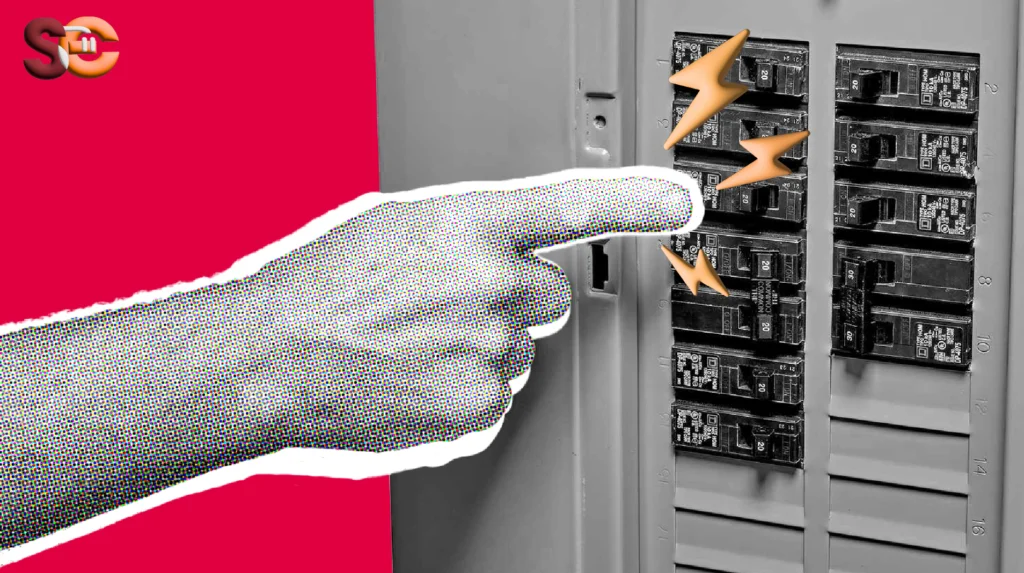
If the GFCI is fine, head over to your main breaker box. A circuit breaker can trip without looking completely turned off.
Open your panel and scan the switches. A tripped breaker will often sit halfway between the ON and OFF positions, or show a small red or orange indicator window.
To properly reset it, push the breaker handle firmly all the way to the OFF position first until it clicks, then flip it back to ON.
If you reset your breaker once and it trips again right away, stop resetting it. Repeatedly flipping a tripping breaker can damage your home wiring and increases the risk of an electrical fire.
Step 4: Look for Warning Signs of Loose or Damaged Wiring
If the breaker is ON and no GFCIs are tripped, you may have a loose wire connection inside the outlet box, damaged insulation, or a burned out outlet receptacle. Older homes in established Space Coast neighborhoods like Eau Gallie, Melbourne Highlands, or older coastal properties often experience wire degradation due to age, thermal expansion, or salt air corrosion.
Warning Signs to Watch For
- A faint burning plastic or fishy smell near the wall outlet.
- Visible scorching, discoloration, or black soot around the plug slots or faceplate.
- The outlet plate feels warm or hot to the touch.
- You hear a subtle buzzing, sizzling, or clicking sound coming from the wall.
Safety Warning: If you notice any of these signs, turn off power to that circuit at the main panel immediately and do not use the outlet. High resistance connections inside wall boxes are a primary cause of residential electrical fires.
When to Call a Licensed Local Electrician
While pushing a reset button on a GFCI outlet is a simple fix, opening up electrical boxes or replacing damaged wiring requires technical expertise and adherence to local safety codes. Working with live electrical systems carries severe risks of electrical shock, arc faults, and property damage.
It is time to schedule a professional diagnostic inspection if:
- The outlet remains dead after checking GFCIs and the main breaker panel.
- Plugs fit loosely inside the outlet receptacles and fall out easily.
- The breaker trips repeatedly as soon as you attempt a reset.
- You see any physical scorching, sparks, or melting around the outlet.
Fast, Reliable Electrical Repairs in Melbourne, FL
Do not leave your home electrical safety to chance. At Summers Electric, our team of licensed electricians provides transparent, code compliant troubleshooting and repair services for homeowners across Melbourne, Palm Bay, Viera, and Brevard County. Whether you need a quick outlet replacement, GFCI upgrades, or a dedicated circuit installation, we get the job done right the first time.
Dealing with dead outlets or flickering power? Call Que and the team at Summers Electric today at (321) 210 5248 or reach out online to schedule your diagnostic service!